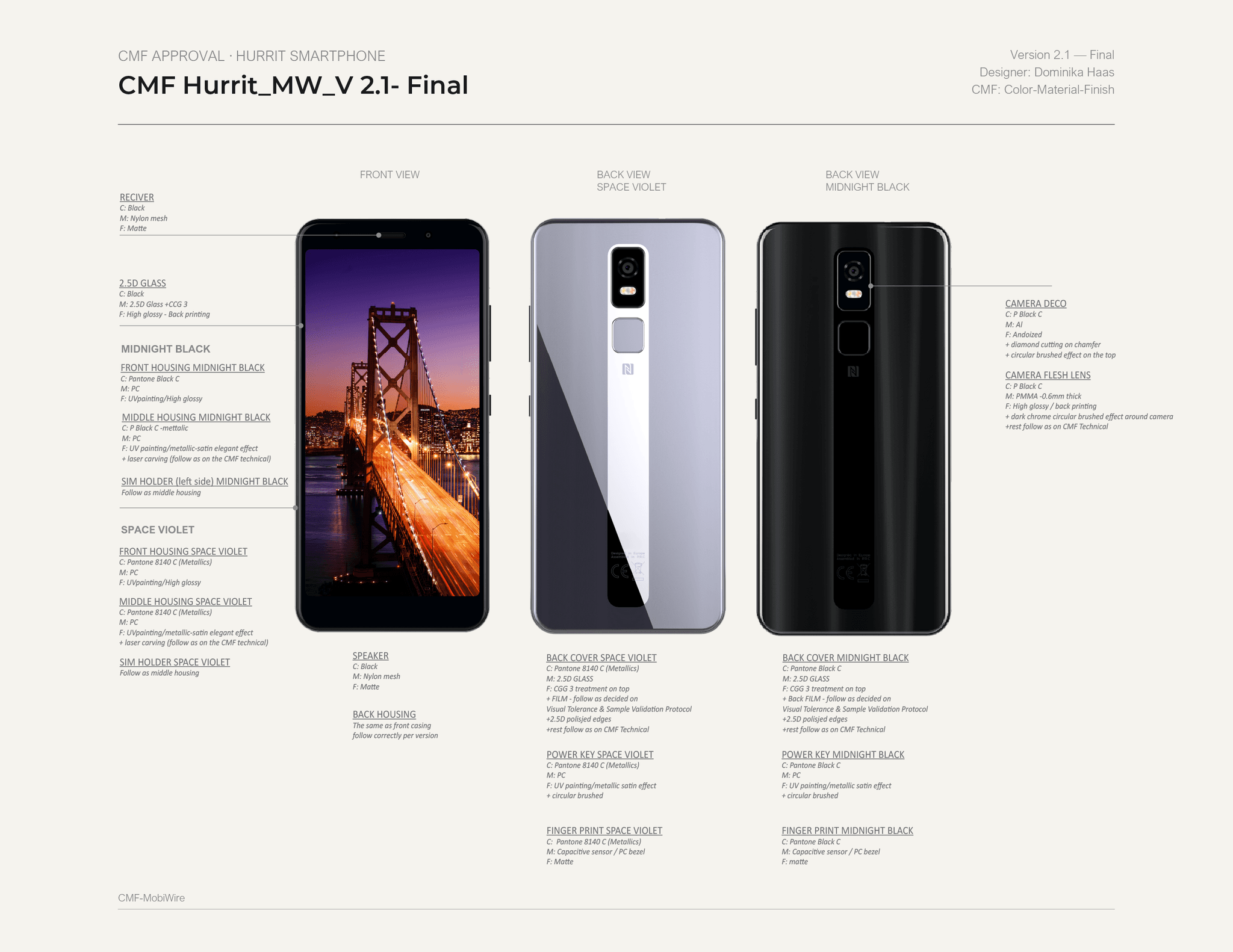
The product competed in a visually premium segment despite tight cost constraints. That pressure showed up everywhere — in material choices, finish tolerances, and the constant negotiation between what looked right and what could actually be manufactured at scale.
The cross-cultural team dynamic (France–China) added another layer: decisions made on one side didn't always land clearly on the other, which made structured communication a non-negotiable part of the process.
During production validation, the selected CMF film showed color instability — visible deviations from the original design intent that only surfaced at scale. Replacing the material at that stage would have meant tooling changes, added cost, and timeline impact nobody had room for.
The question wasn't "how do we fix this" — it was "how do we make a clear, shared decision that everyone can work from." That's when the governance work became the actual deliverable.
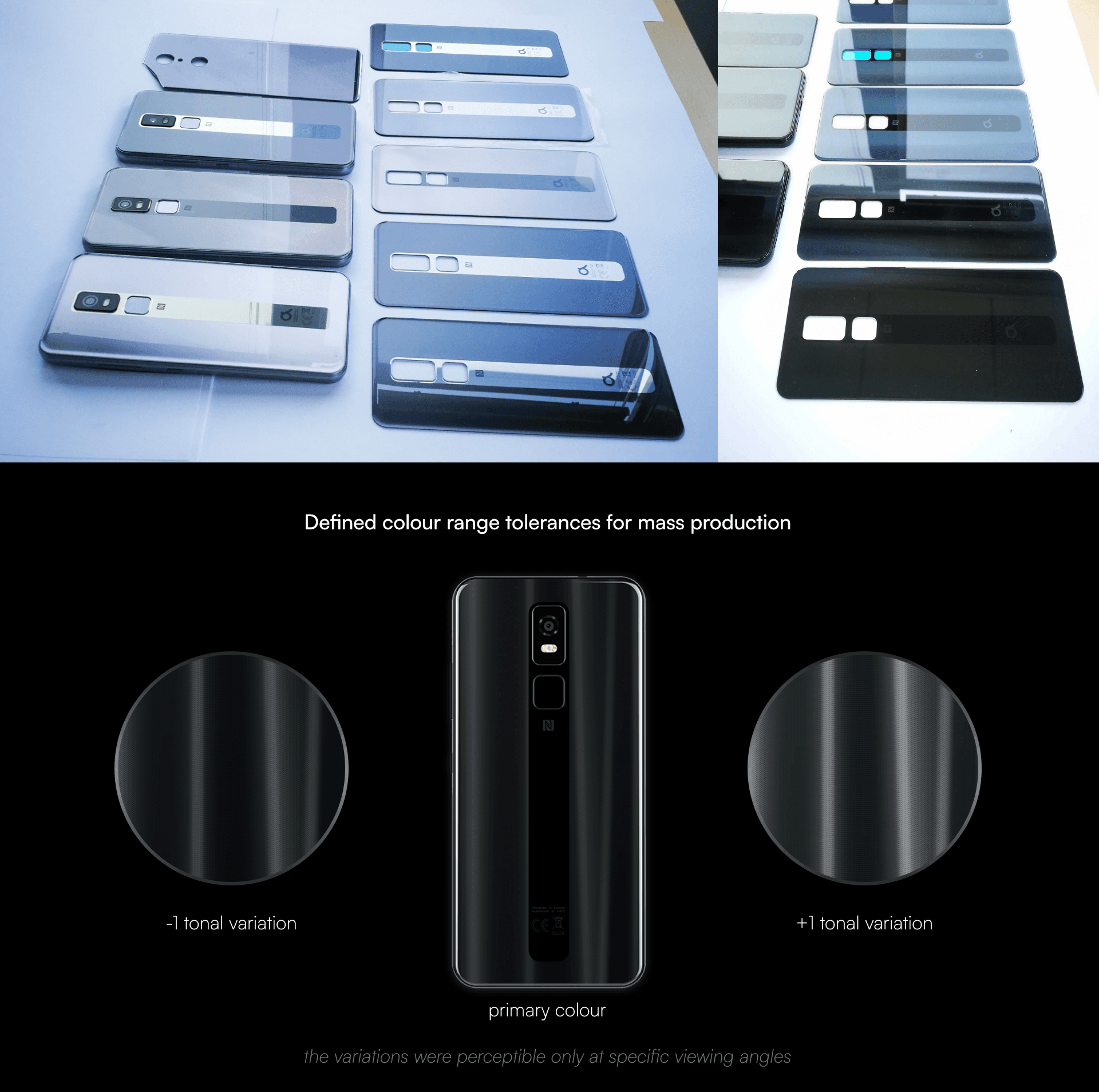
During production validation, the selected film showed color variations outside the original design intent — visible deviations that only surfaced at scale. Replacing the material at that stage would have meant tooling changes, added cost, and timeline impact nobody had room for.
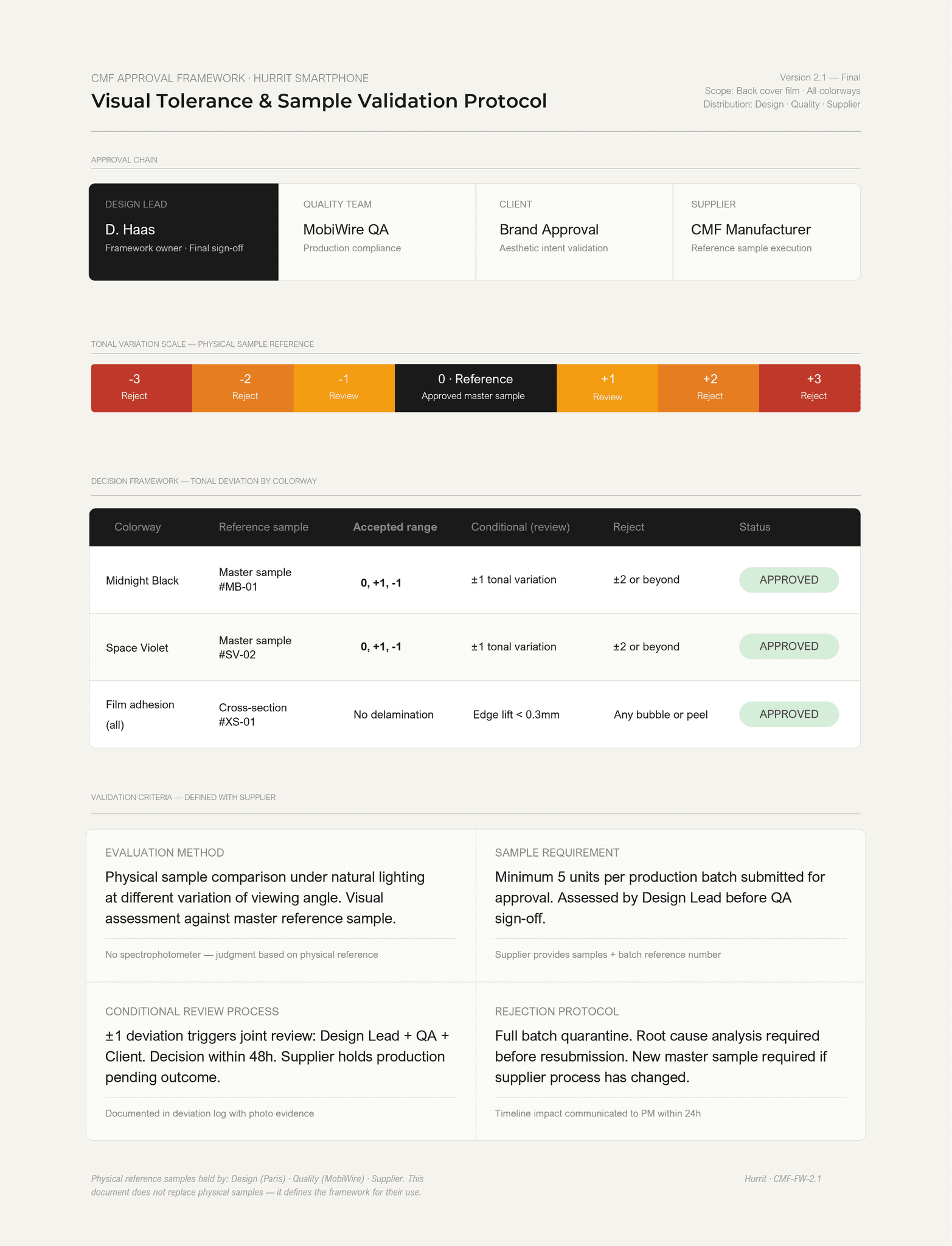
My role was to turn that problem into a decision. I led the development of a shared validation framework: defining acceptable tonal deviation ranges, creating physical reference samples with the supplier, and establishing criteria that design, QA, and the client could all sign off on. The goal wasn't to lower the bar — it was to make the bar explicit, so production could hold it without constant design intervention.
Managing this across France and China meant a lot of the work was making sure the same decision meant the same thing to everyone — regardless of whether they were looking at it from a design, engineering, or production perspective.
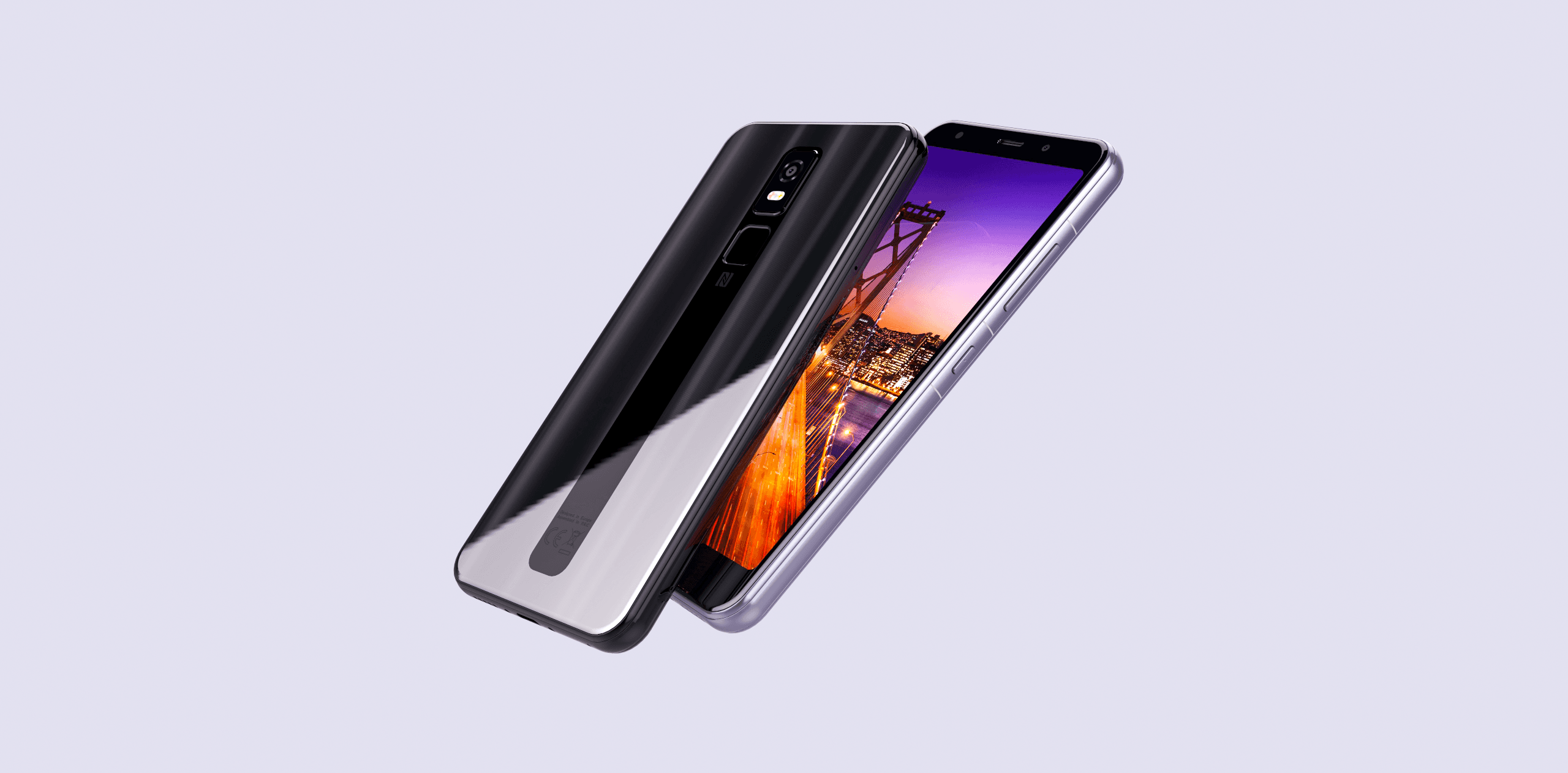
Hurrit H5511 shipped on schedule and within budget. It performed well on the French market, with strong sell-through and a notably low rate of aftersales returns — a signal that the CMF and production decisions held up once the product reached real users.
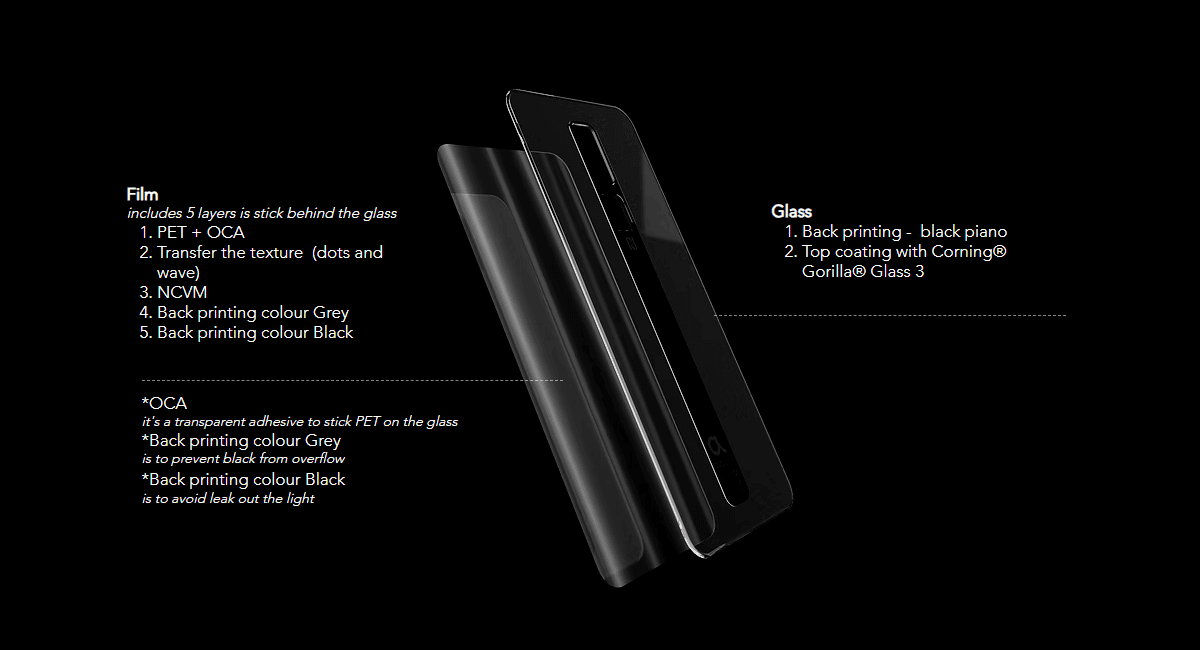
Hurrit competed in a visually premium segment despite operating within strict cost constraints. Even minor surface or color inconsistencies were amplified at production scale, making CMF decisions particularly sensitive.

I led the development of a shared decision framework bridging design intent and production constraints.
This included:
Defining acceptable color deviation ranges
Creating physical reference samples
Establishing shared validation criteria across design and manufacturing
Making trade-offs explicit and measurable
Facilitating alignment between design, engineering, and production teams
This reduced subjective debates, clarified approval processes, and ensured brand integrity during mass production.
The objective was not to eliminate constraints — but to integrate them into a coherent, achievable system.